Pred 2025. godinu i tokom nje / Going Toward 2025 and in its Course
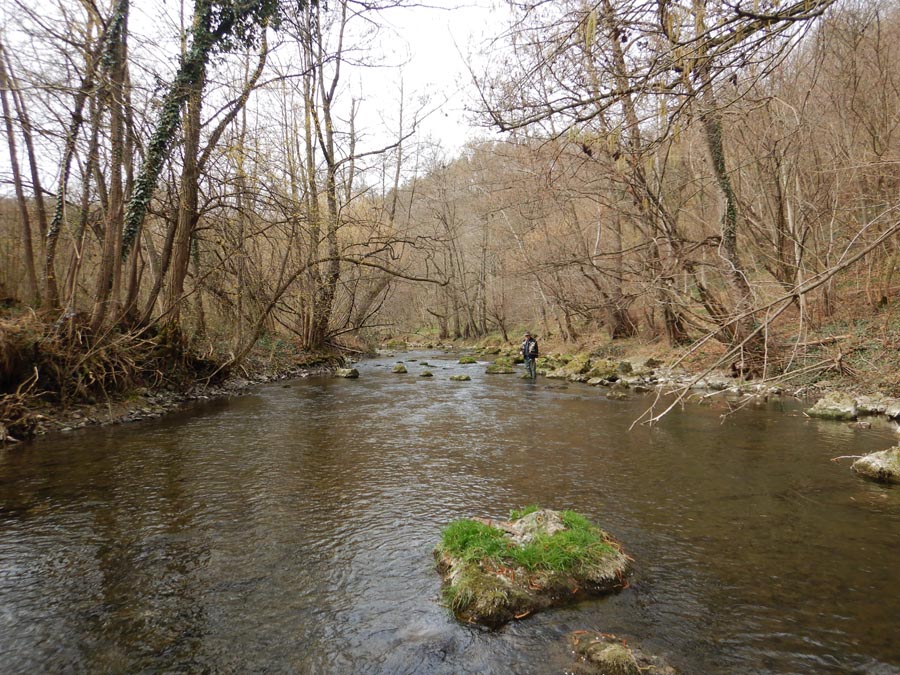
Nadam se da će 2025. biti povoljnja od prethodne, pre svega što se tiče klimata i režima voda. Od toga najviše zavisi i kakav će biti ribolov, a da bi se to ostvarilo, neophodno je da zima iz koje treba da izađemo dogodine bude sa dugotrajnim niskim temperaturama i snežna, kako bi se podzemne rezerve vode obnovile za celogodišnje održavanje vodotokova. To je važno i za umereno niske zimske vodostaje sa stabilnom temperaturom vode, neophodne za dobar mrest pastrmki i razvoj mlađi. Međutim, kako sad stvari stoje s najavljenim i već vidljivim klimatskim promenama, izgleda da su takve „prave“ zime prošlost i da će i ova doneti nove toplotne rekorde.
***********
Početkom marta može se zaključiti dosta pouzdano da su uslovi za mrest bili dobri jer su vode bile uglavnom male i spore koliko otprilike treba, te se ikra mogla inkubirati kako treba i mlađ se iz svih „talasa“ mresta dosad već izvalila. Verovatno proleće to neće znatnije poremetiti, ali je pitanje u kojoj meri će za mlađ biti mesta u reci ukoliko vode ostanu ovak niske i prostor za život toliko ograničen. Kratke i burne kišne epizode mogu podići vodostaj, ali će to kratko trajati i zbog odsustva snega, nije verovatno da će napajanje tokova reka biti ove godine ni izdašno, niti stabilno.
I hope that 2025 will be more favourable than preceding year, primarily concerning the climate and water regime. That mostly determines the fishing and to make it happen, it is necessary that the Winter from which we shall get out next year will be with the long-lasting lows, frosts and snows, to revive aquifers for year around stream feeding. All this is also important for the moderately low water levels and the stable water temperature that are essential for trout spawning and fry growth. However, concerning the announced and already evident climate changes, it seems that such „genuine“ Winters are behind us and that this one will bring new high temperature records.
***********
At the beginning of March it can be quite reliably concluded that spawning conditions were good because waters were mainly low and slow enough for a proper incubation of roe, so the fry from all spawning shifts has hatched, so far. The spring will keep that undisturbed, but it is questionable will there be enough room for fry in streams if water will remain that low, limiting a living space. Short and abrupt raining episodes can only shortly rise water level and it is not likely that water supplying of streams will be either generous, or stable this year, owing to lack of snow.
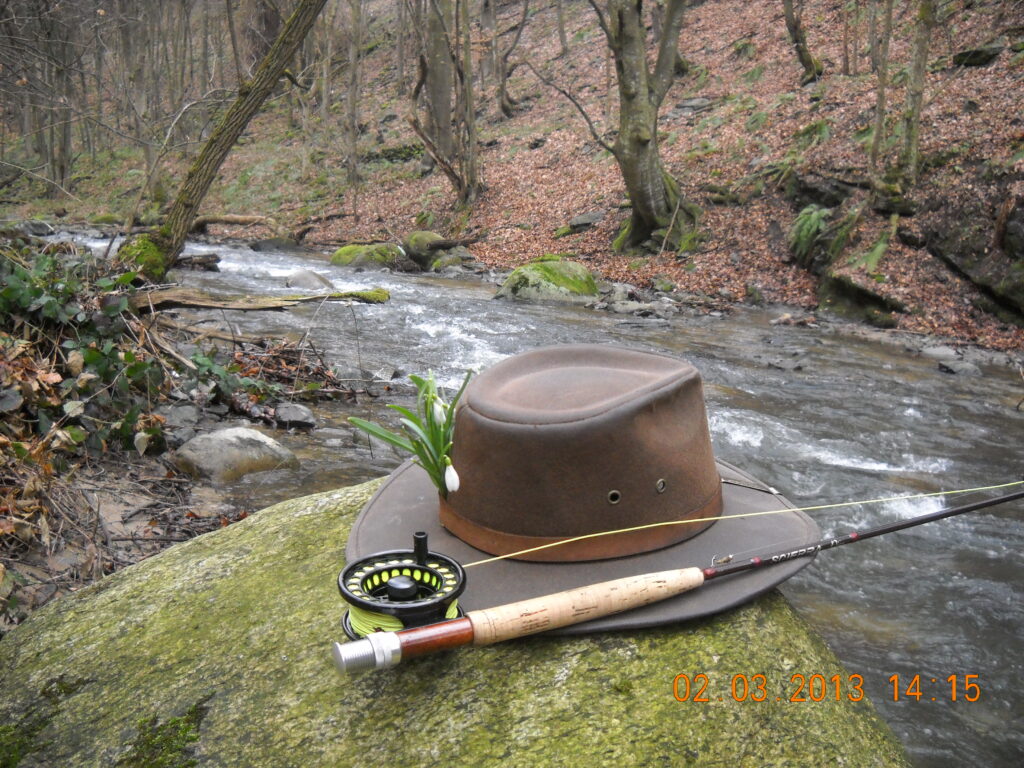
Što se štapova tiče, zima je idealno vreme da se razmisli i odluči da li je za sledeću sezonu potrebno samo proveriti one koje imamo ili nabaviti neki prikladan baš za vodu na kojoj se mušičari. Kad su u pitanju postojeći mušičarski štapovi, pravo je vreme da se operu i očiste, obnovi parafin na spojevima, provere provodnici i zameni se neki ako treba. Pranje ide mekom starijom četkicom za zube i isključivo mlakom vodom s malo tečnog sapuna ili vrlo blagim rastvorom deterdženta, blagim trljanjem bez pritiska, a ako je još prljavo-ponoviti višekratno do željenog rezultata. Iza pranja sledi dugotrajno sušenje na promajnom mestu. Vidljiva oštećenja plute rukohvata ispravljaju se blagim i strpljivim trljanjem šmirglom za drvo finoće +500 ili i grubljom, ako imate iskustva u tome, uzdužnim i poprečnim pokretima, celom dužinom ili lokalno, zavisno od veličine oštećenja. Ovo je osetljiv zahvat i ko se ne oseća sigurno, treba da samo opere i dobro osuši plutu i odnese je veštom prijatelju ili specijalizovanom majstoru. Velike rupe u pluti ispunjavaju se belim lepkom za drvo pomešanim sa plutanom prašinom ili posebnim komercijalnim preparatom i ostavljaju se da se potpuno osuše, a zatim se pažljivo lokalno izšmirglaju vrlo finom šmirglom. Ako pregledom provodnika nađete oštećenje, treba ih obavezno zameniti da ne štete strunu i to je zahvat za specijalizovanog majstora ili onog ko je to za sebe radio više puta, jer i skidanje starih (zbog mogućnosti oštećenja blanka) i stavljanje novih (zbog mogućnosti grešaka u položaju, vezivanju i premazivanju epoksidnim lakom) mogu nepotrebno pokvariti štap. I držač čekrka se može „osvežiti“ (na stranici o držačima čekrka opisano je kako to ide), ali i to može da se završi loše ako nedostaje iskustva i prakse, pa je možda bolje to prepustiti majstoru.
As for fly fishing rods, Winter is perfect time for thinking and deciding about undertaking anything regarding those we already have, or getting some appropriate for favourite fly fishing venues. Regarding the currently used ones, it is the right time to wash and clean them, renew the paraffin on the ferrules, check guides and replace some if it is necessary. Washing goes with the soft, retired tooth brush, using exclusively lukewarm water with the dissolved mild liquid soap, or by very mild solution of detergent. It is to be accomplished by gentle rubbing, without pressure and repeated several times if dirt didn’t remove at once. Then follows a long drying at air stream. Visible damages of grip’s cork are cured by gentle sanding using the fine wood sandpaper of the grit over 500 or more rough, if you are skilled in sanding, with longitudinal and transversal moves, both along the whole grip and locally, depending on damage. This delicate operation is not recommended to ones insecure doing it; it is better to wash the grip and to leave the skilled one to do it. Large holes in cork are filled using the white water-based wood glue mixed with the sanded cork dust or commercial cork sealer and left to dry thoroughly, to be locally levelled using very fine sandpaper. If inspecting of guides would reveal damage, they must be replaced to avoid excessive fly line marring, which is a job for skilled person. Non-skilled taking of old guides off the blank could damage it, while mounting the new ones might result in their wrong positioning, as well as in a sloppy thread winding and epoxy laying. Both actions can spoil the rod. Reel seat can also be „refreshed“, as well (take a look at the distinct page about it), but if an experience and practice in that lacks, it can also end badly, so maybe it would be better to leave it to the skilled person.
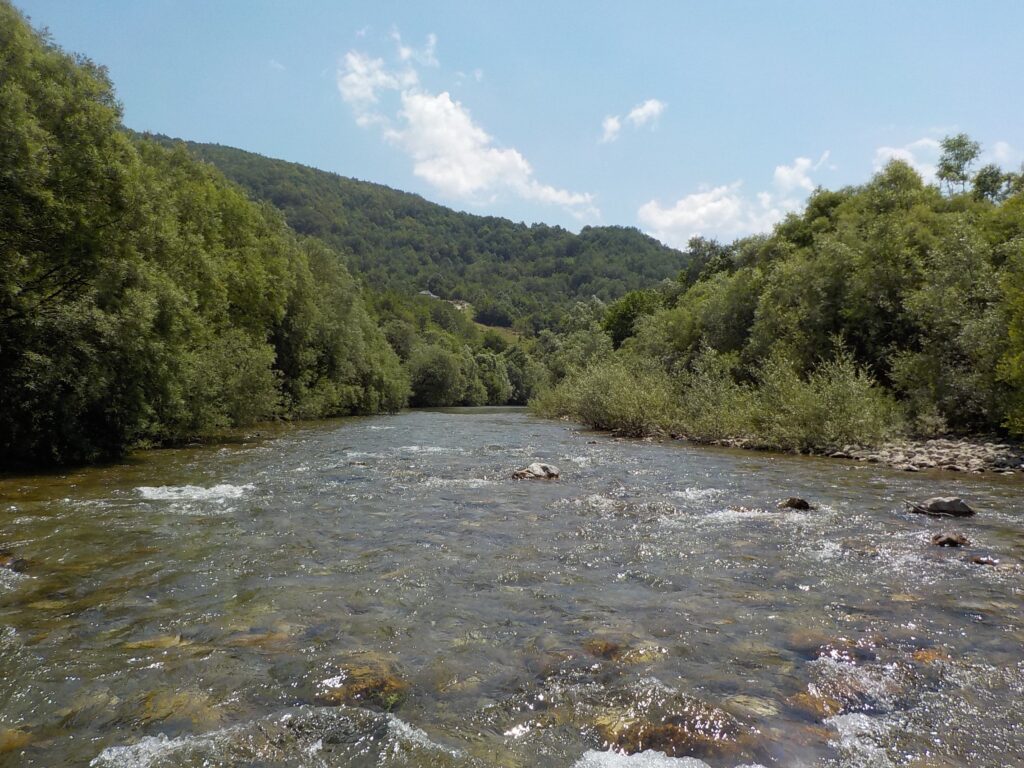
Dok je za veće reke dužina štapa od 9 ft i težina strune koju baca #5 ili čak i #6 bez obzira na akciju odlično i svestrano rešenje, ljubitelji nimfi sve više posežu za specijalizovanim štapovima u klasama struna #2-#4, dužine od 10-11 ft umereno brze ili još sporije akcije. Na većim rekama nekad je u lovu lipljena i pri nižim vodostajima potrebno dugim zabačajima od preko 20 m dobaciti do mesta gde je jato i gde uzimaju na površini. Bržim štapom veće snage i težine bacanja to se izvodi mnogo lakše, posebno sa savremenim WF strunama koje su čak i za pola klase teže od deklarisanih, ili strunama koje su za celu klasu teže i jače pune štap. Tu preciznost zabačaja može da trpi, ali na tako velikim prostorima i sa širokim rasporedom ribe ona nije presudna. Ipak, može se kao mogućem rešenju razmišljati i o nekom lakšem jednoručnom „svič“ štapu ili „spej“ štapu namenjenom baš takvim uslovima mušičarenja. To kod nas uopšte nije uobičajeno i dosta je specijalizovano, ali ako neko stalno mušičari na takvim rekama… Treba napomenuti da je takav ribolov donekle i fizički zahtevan, pa ne bi trebalo uzimati za ribolov suvom mušicom preduge štapove kakvi su savremeni „nimfaroški“ i nadati se da mogu biti dobri univerzalni štapovi, posebno za vetrovitih dana, kad je preciznost zabačaja naročito mala. Za manje reke uglavnom je samo s proleća, pri vrlo jakim snežnim ili bujičnim kišnim vodama potreban štap težine bacanja #5, da bi s vraćanjem reka u korita, na srednje i niske vodostaje štap težine bacanja #4 akcije po želji bio celogodišnje, dakle najsvestranije rešenje. Na još manjim rečicama i potocima, za laki pastrmski ribolov dovoljni su štapovi klase #2-#3 i dužine 6 ft 6 in – 8 ft 6 in, zavisno od toga koliko je reka obrasla. Pri tom, ovde je preciznost bacanja najbitnija, a tu se najbolje pokazuju sporiji ili umereno brzi štapovi.
While for large rivers an excellent and versatile solution could be a rod 9 ft in length of the line weight #5, or even #6 regardless of action, nymph funs seize for even more specialised rods of line weights #2-#4, 10-11 ft in length, of the moderately fast, or even slower action. At larger rivers when fishing grayling, sometimes is needed even at low water level to cast over 20 m (60 ft) in length to hit the place where the shoal rises to take at the surface. Using the fast rod of a greater line weight class it is much easier to accomplish that, especially with the modern fly lines that are the half, or even a whole class heavier than a rod is declared. The preciseness of casting can be slightly affected, but it is anyway not crucial on such great room with the broad dispersal of fish. Nevertheless, as a possible solution one could think about the light one-handed switch or spey rod appropriate for such fly fishing conditions. That is not common at us and is very specialised, but if one fly fishes a lot at such rivers… It must be emphasised that such fishing is also somewhat physically demanding, so it shouldn’t be practiced for dry fly fishing with too long rods designed for modern nymph fishing, hoping they can be a good versatile fly fishing rods, especially on windy days, when the preciseness of casts is tremendously reduced. For smaller streams a fly fishing rod of the line weight #5 is necessary mostly in early spring at high water levels. When streams retreat to beds, a rod of the line weight #4 of any preferred action would be a year-round, most versatile solution. At even smaller streams and creeks, the rods of classes #2-#3, 6 ft 6 in – 8 ft in length are sufficient for a light trout fishing, depending on riparian vegetation. Since the casting precision is crucial, slow and moderate fly fishing rods are the best choice.
Sve gore navedeno odnosi se prvenstveno na grafitne mušičarske štapove. I pored povratka popularnosti u zadnjih desetak godina, savremeni štapovi od stakloplastike (fiberglasa) kod nas su još relativno retki. Suštinski, imajući u vidu da su oni savremene konstrukcije i osobina koje su sasvim poredive sa onima kod grafitnih štapova, ne bi trebalo da bude razlike između ove dve vrste štapova u pogledu ponašanja, namene i izrade. Sa veb stranica stiče se utisak da su prevladali oni manjih dužina i težina bacanja, što navodi na zaključak da su najzastupljeniji u malom pastrmskom ribolovu. Ipak, sretao sam ih kod onih koji love nimfom i na većim mirnim rekama gde je imperativ da vršni deo bude osetljiv kako bi sačuvao tanki vršni predvez, u dužinama (i verovatno težinama bacanja) približno istim kao kod grafitnih.
All stated above refers primarily to graphite fly fishing rods. Apart of their revival in popularity in past decades, fibreglass fly fishing rods are still relatively rare here. Actually, there shouldn’t be substantial difference between graphite and fibreglass rods regarding their acting, purpose and crafting, having in mind that the modern fibreglass rods are of advanced construction and of features quite comparable to graphite rods. One gets an impression from web sites that fibreglass rods lesser in length and of smaller line weights predominate, which implies that they are mainly used in a light trout fishing. Nevertheless, I have seen them at fly fishermen nymphing also at larger spring creeks where a sensitive tip section is a must for saving the thin tippet, in lengths (and probably line weights) similar to the graphite ones.
Ukoliko se rešite za nabavku novog štapa, dobro pogledajte šta se od onog što bi Vam trebalo nudi, s kojim osobinama, po kojim cenama i da li bi Vam odgovaralo. Vredi razmotriti i samogradnju kao mogućnost, kako u vezi osobina štapa, tako i u vezi njegove cene, s tim što napominjem da bi posebne želje uzrokovale da nabavka pojedinih elemenata produži vreme završetka štapa. Bez obzira radi li se o brendiranom štapu ili o onom iz samogradnje, to je investicija kod koje cena ne bi trebalo da bude najvažnija, već zadovoljstvo.
Šta je trenutno na raspolaganju od blankova i drugih komponenti, vidi se na posebnoj stranici (Izbor elemenata za štap). Tokom već skoro tri godine, iskustvo s tim blankovima već se pouzdano pokazalo (Galerija i utisci), kao i pristojna i realna mogućnost popravke polomljenih štapova. Bez obzira na cenu blankova, njihove osobine pokazale su se dobrim i pored razlika u akciji koje omogućavaju u stvari da kupci naruče blankove različitih svojstava koja odgovaraju njihovim bacačkim sklonostima i odlikama mušičarenja.
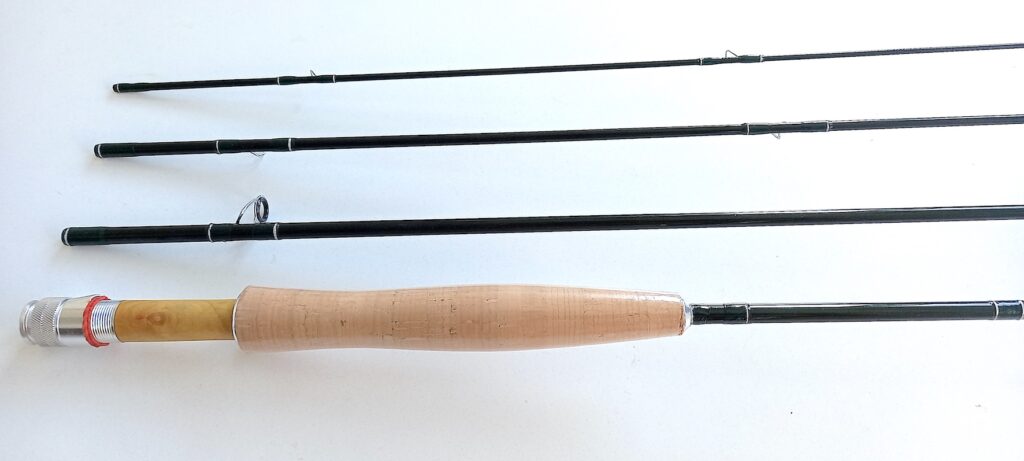
Štapovi No 14, 15 I 16 već su došli u ponudu i štap No 15 je prodat. Oba štapa No 15 i No 16 su na blankovima od grafita IM12 (46T), klase #5 i #4, i dužine 9 ft. Isti su kao štapovi No 0 i No 8. Razlikuju se od njih po drvenim umetcima od duda i oraha iz samogradnje na držaču čekrka, po kvalitetnijim rukohvatima od plute „supreme“ klase i po jednostopnim provodnicima vezanim koncem boje moke i kapućina, sa bakarnim i svetlo-zlatnim metalik bordurama koje se obe lepo uklapaju u toplu braon boju blanka. Štap No 14 estetski ne zaostaje za njima, ali je koncept konstrukcije i slaganja boja klasičniji, sa dvostopnim provodnicima i potpunim stapanjem boje konca kojim su oni vezani sa bojom blanka štapa.
Štap SPcfr No 14 / štap SPcfr No14
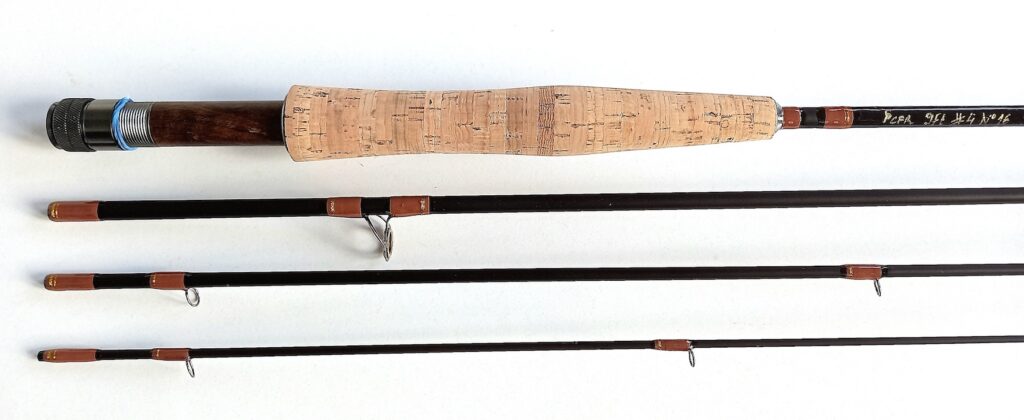
Polovinom godine, štap SPcfr No 15 našao je svog vlasnika, kao i štap Mystic Reaper (#4, 9ft), a gotov je još jedan štap, SPcfr No 16, AFTMA klase #4, IM12 grafita (modulus 46T) od 9 stopa, brze akcije, pogodan za ovo doba godine na većim pastrmskim i lipljenskim vodama. Vrućine toplotnih talasa i suša većinu reka svele su na minimum, pa su mogućnosti ribolova pastrmki ograničene na šumske rečice i potoke i manje tokove ispod brana koji još koliko-toliko drže vodu i održavaju njenu temperaturu niskom, a količinu kiseonika dovoljnom. Za sad, nekoliko velikih reka ispod brana još uvek omogućavaju mušičarenje lipljena.
If you decide to purchase a new fishing rod, take a good look what of the rods you would need is available, as well as would any suit you for its features and price. In addition, it is worth considering crafting as an opportunity, both regarding a rod’s features and its price, with a notice that special wishes would prolong its crafting owing to the time needed for obtaining particular elements. Regardless the rod is commercially crafted, i.e., branded or not, that is investment where the price shouldn’t be most important for deciding, but the pleasure one expects.
What is currently of blanks and other rod components on disposal is given at distinct page (Choice of Rod Components). During nearly three years an experience with these blanks was evident (Gallery and Testimonies), as well as the decent and realistic opportunity of repairing the broken rods. Regardless of the prices of blanks, their features showed well, inasmuch they are different in action, which actually enables customers to order blanks of features that correspond to their casting affinities and a way they fly fish.
Rods No 14, 15 and 16 were on offer and the rod No 15 is sold. Both rods No 15 and 16 are on the IM12 (46T) graphite blank, of the line weights #5 and #4, respectively and 9ft in length. They are same as rods No 0 and No 8. They differ in custom made mulberry and walnut inserts mounted at reel seats, in grips of supreme class cork and in winding of single-foot guides in gunsmoke finish using the Mocha and Cappuccino thread with the copper and brass inlays, respectively that fit nicely in the warm brown, auburn colour of blanks. Rod No 14 doesn’t lag behind them, but its concept and colours matching is more classic, with the double-foot guides and blending of the colour of winding thread to the blank colour.
Rod SPcfr No 16 / štap SPcfr No 16
The rod SPcfr No 15 has found its owner at the half of the year, as well as the Mystic Reaper (#4, 9ft). Another fly fishing rod, SPcfr No 16 is finished, of the AFTMA class #4, IM12 graphite (modulus 46T) and 9ft in length, of the fast tip. It is convenient in this part of fishing season for fishing large trout and grayling streams. High heats and drought set most of streams at minimal discharges and only forest creeks and smaller tailwaters that still hold some cold water and sufficient content of oxygen that give an opportunity for brown trout fishing. So far, several large tailwaters still enable grayling fishing below their dams.